
Indian cricket is entering an exciting transitional era as experienced veterans gradually step aside and a new generation prepares to take the spotlight. A wave of talented young players from domestic circuits and the Indian Premier League (IPL) is demonstrating the skill, confidence, and temperament required to compete at the highest level. These emerging stars are not simply filling the gaps left by retiring legends—they are building a new identity for the national team.
The future of Indian cricket looks exceptionally promising. Young batsmen, bowlers, and all-rounders from the 2025 domestic season and recent IPL tournaments have shown they are ready to take the next step toward international cricket. Players like Vaibhav Suryavanshi and Ayush Mhatre have already caught the attention of selectors with performances that showcase maturity beyond their years. These cricketers are proving themselves across formats, from the Ranji Trophy to fast-paced T20 leagues.
Understanding how these young players develop—and the challenges they face—offers insight into where Indian cricket is heading in the coming decade. The pathway from domestic cricket to the national team requires far more than natural talent. It demands structured development systems, competitive opportunities, and the mental strength needed to handle pressure on the global stage.
Current Landscape of Indian Cricket
Indian cricket currently stands at a significant turning point. While legendary players approach the later stages of their careers, the next generation is steadily stepping forward. Domestic leagues and talent development systems have become essential platforms for discovering and shaping the stars of tomorrow.
Emergence of Young Talent in the National Team
The Indian national team has begun integrating young players across all formats. Promising cricketers such as Shubman Gill and Yashasvi Jaiswal have already secured consistent roles in the batting lineup. Their fearless approach, modern technique, and adaptability represent a shift from previous generations.
Selectors are increasingly willing to fast-track players based on outstanding domestic performances. The team management has also shown greater trust in young players during challenging international series. This approach helps India build long-term squad depth ahead of major global tournaments.
Several youngsters have already made their international debuts during the 2025 and 2026 seasons, competing not just as replacements but as genuine contenders for permanent positions. The result is stronger internal competition, which raises the overall standard of performance.
Role of Domestic Leagues in Talent Development
Domestic tournaments remain the backbone of India’s cricket development system. Competitions like the Ranji Trophy, Vijay Hazare Trophy, and Syed Mushtaq Ali Trophy provide the ideal environment for players to refine their skills under competitive conditions.
The IPL continues to play a particularly important role. The 2025 season revealed several young talents capable of performing against international-level bowlers and adapting to high-pressure match scenarios.
Beyond the action on the field, modern cricket audiences are increasingly engaged through online platforms that provide analysis, statistics, and real-time updates about emerging players. Many fans follow developing talents closely through sports communities and online cricket tracking platform, where cricket enthusiasts track matches, statistics, and trends across global leagues, including the IPL and domestic tournaments.
Key Domestic Platforms
Ranji Trophy
Tests technique, patience, and temperament in multi-day cricket.
Vijay Hazare Trophy
Develops one-day match awareness and tactical decision-making.
Syed Mushtaq Ali Trophy
Highlights explosive T20 talent and innovative playing styles.
IPL
Offers international exposure and the experience of performing in high-pressure environments.
The franchise system also provides mentorship from experienced international players and coaches, accelerating the development of younger athletes.
Shifts in Team Composition
Team India’s structure is evolving as iconic players like Virat Kohli and Rohit Sharma move closer to retirement. Selectors are gradually building a younger core capable of leading the team for the next decade.
Modern team strategy increasingly favors versatile cricketers—players who can perform across formats and contribute in multiple roles. All-rounders and adaptable batsmen are particularly valuable in this new team structure.
The average age of the squad has already dropped in limited-overs formats. Test cricket continues to balance youth with experience, but even here new players are regularly earning opportunities. This gradual transition helps India avoid sudden performance gaps when senior players retire.
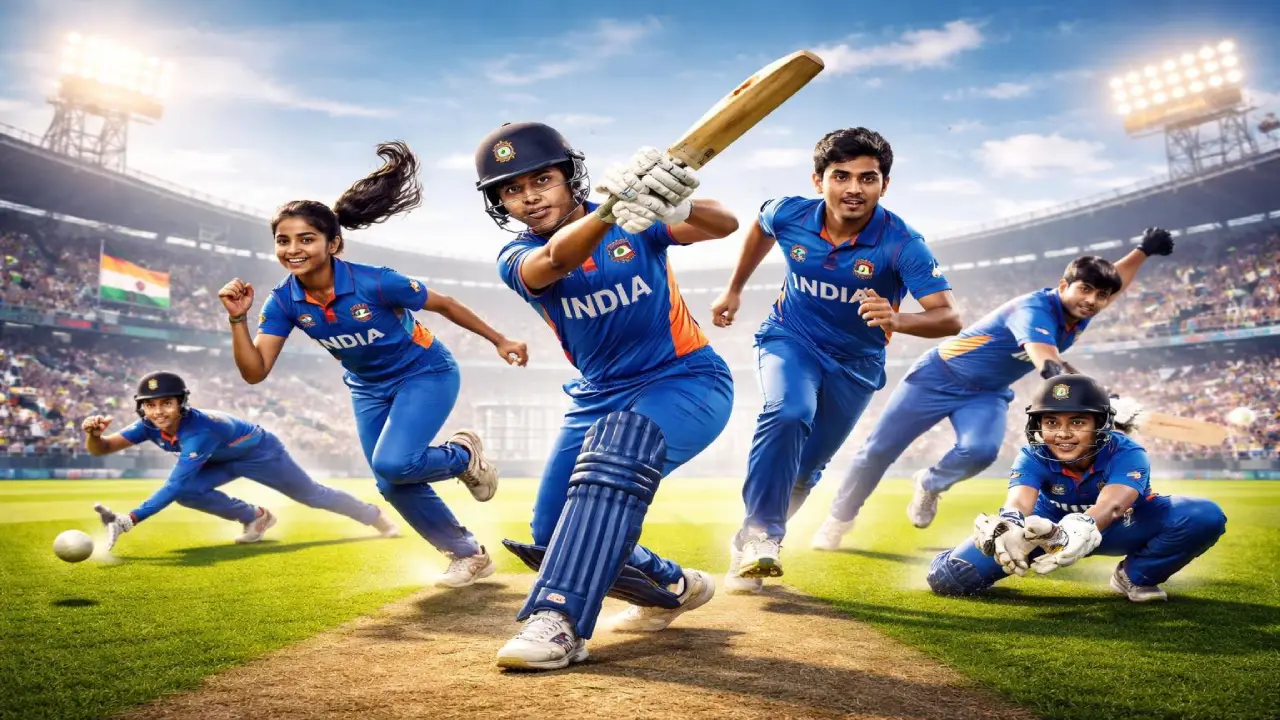
Breakout Stars: Young Players Making an Impact
Indian cricket has recently witnessed several young cricketers rise rapidly from domestic circuits to the international stage. These players combine technical skill with remarkable mental resilience.
Notable Young Batsmen
Shubman Gill
Gill has established himself as one of India’s most dependable batsmen across formats. His elegant stroke play and ability to build long innings make him a key pillar of India’s batting order.
Yashasvi Jaiswal
Jaiswal gained recognition with fearless performances at the international level. His aggressive style and strong technique have made him one of the most exciting opening batsmen in world cricket.
Tilak Varma
Varma has demonstrated exceptional composure in limited-overs cricket. His adaptability and calm decision-making allow him to anchor innings under pressure.
Promising Fast Bowlers
Mohammed Siraj
Siraj continues to lead India’s pace attack with consistency across formats. His ability to swing the new ball and maintain control in death overs makes him a crucial player.
Umran Malik
Known for his extreme pace, Malik regularly exceeds 150 km/h, making him one of the fastest bowlers in international cricket. As he improves his control and variations, his potential impact grows even stronger.
India’s domestic system continues to produce promising fast bowlers, ensuring depth in the national squad.
Rising All-Rounders
All-rounders play a critical role in modern cricket by providing balance and flexibility in team selection.
Washington Sundar
Sundar contributes with reliable off-spin bowling and useful lower-order batting. His performances in overseas conditions have proven his ability to perform under pressure.
Shivam Dube
Dube has developed into a powerful middle-order batsman capable of bowling medium pace when required. His explosive finishing ability makes him particularly valuable in T20 cricket.
Pathways to Success: Nurturing Future Cricket Icons
India’s cricket development system relies on three core pillars: grassroots programs, professional mentorship, and advanced technology.
Grassroots Cricket Initiatives
Local academies and school competitions form the foundation of India’s talent pipeline. The Board of Control for Cricket in India (BCCI) supports several grassroots programs designed to identify talent early.
District tournaments and regional scouting initiatives ensure that players from smaller cities and rural areas also receive opportunities. Many future international stars begin their journey in neighborhood clubs before progressing to professional academies.
Age-group tournaments like Under-16 and Under-19 championships provide essential experience in handling competitive pressure.
Mentorship and Training Programs
Former international cricketers play a major role in mentoring young players across India.
The National Cricket Academy (NCA) in Bangalore offers state-of-the-art facilities and personalized training programs. Coaches focus on refining technique, improving fitness, and strengthening mental resilience.
IPL franchises also run development programs where young cricketers train alongside global stars, gaining valuable insights into professional preparation.
Key Benefits of Mentorship
- Technical refinement from specialized coaches
- Mental toughness training
- Cricket-specific fitness programs
- Strategic understanding of different formats
Role of Technology in Player Growth
Technology has become an essential tool in modern cricket development.
Video analysis systems allow coaches to examine every aspect of a player’s technique. Biomechanical studies help prevent injuries while improving efficiency.
Training centers now use ball-tracking systems, automated bowling machines, and wearable performance monitors. These tools provide detailed insights into player performance and workload management.
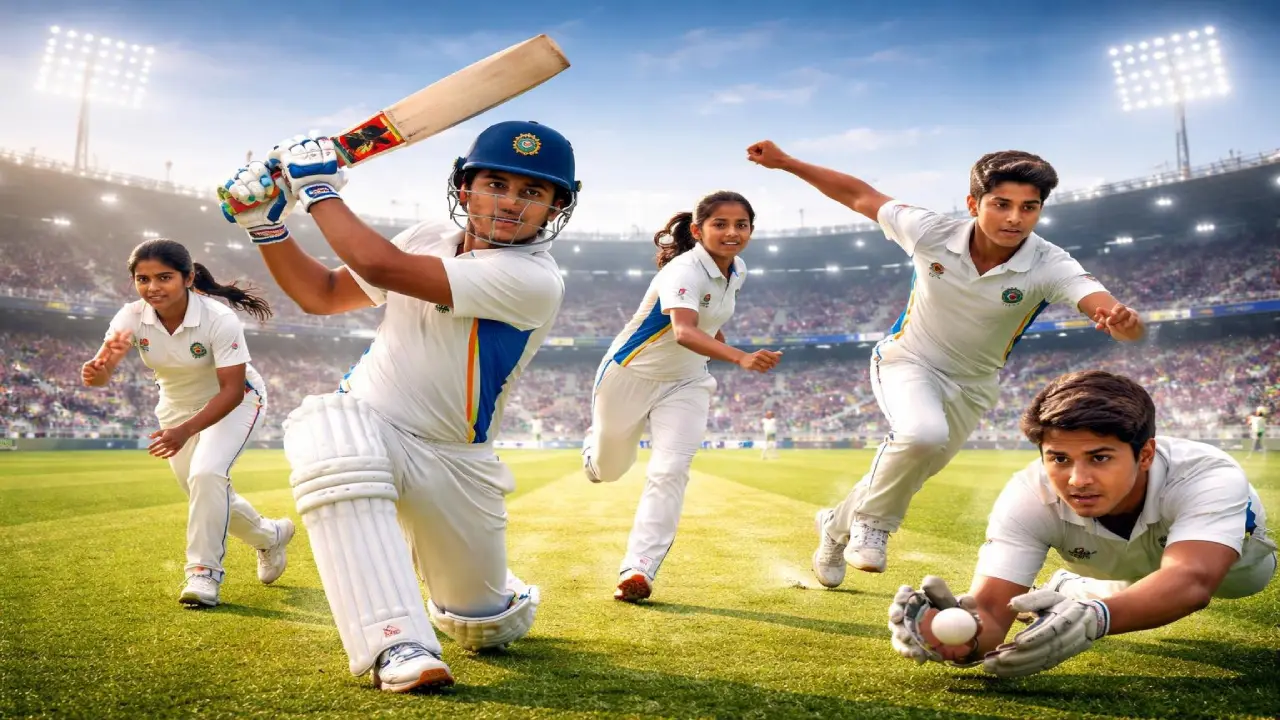
Challenges and Opportunities for Emerging Stars
Despite their talent, young cricketers must overcome significant challenges while progressing through India’s competitive cricket structure.
Transitioning from Junior to Senior Level
The jump from junior cricket to professional competition introduces several new challenges:
- Facing experienced bowlers with advanced variations
- Maintaining concentration in longer formats
- Managing greater physical and mental demands
Domestic tournaments such as the Ranji Trophy provide the necessary testing ground for players to develop these skills.
Managing Pressure and Expectations
Media attention and fan expectations place intense pressure on young cricketers. A successful debut can lead to immediate national selection demands, while poor performances often attract criticism.
Support systems—including coaches, sports psychologists, and family members—play a crucial role in helping players maintain balance and confidence.
Balancing Academics and Professional Sport
Many young players must also decide how to balance education with professional cricket. Some continue their studies through flexible programs, while others focus entirely on their sporting careers.
Cricket boards and associations increasingly support education programs to help players maintain long-term career stability.
Impact on Indian Cricket’s Global Competitiveness
The emergence of young talent has strengthened India’s ability to remain competitive across all formats. With a deep pool of players ready to step into international roles, the team can rotate squads without losing quality.
India already generates around 85% of global cricket revenue, and the development of new talent ensures that this influence extends beyond financial power to on-field dominance.
Young players bring energy, innovation, and fearlessness that complement the experience of senior cricketers. As a result, India continues to remain among the strongest teams in world cricket across Tests, ODIs, and T20 internationals.